
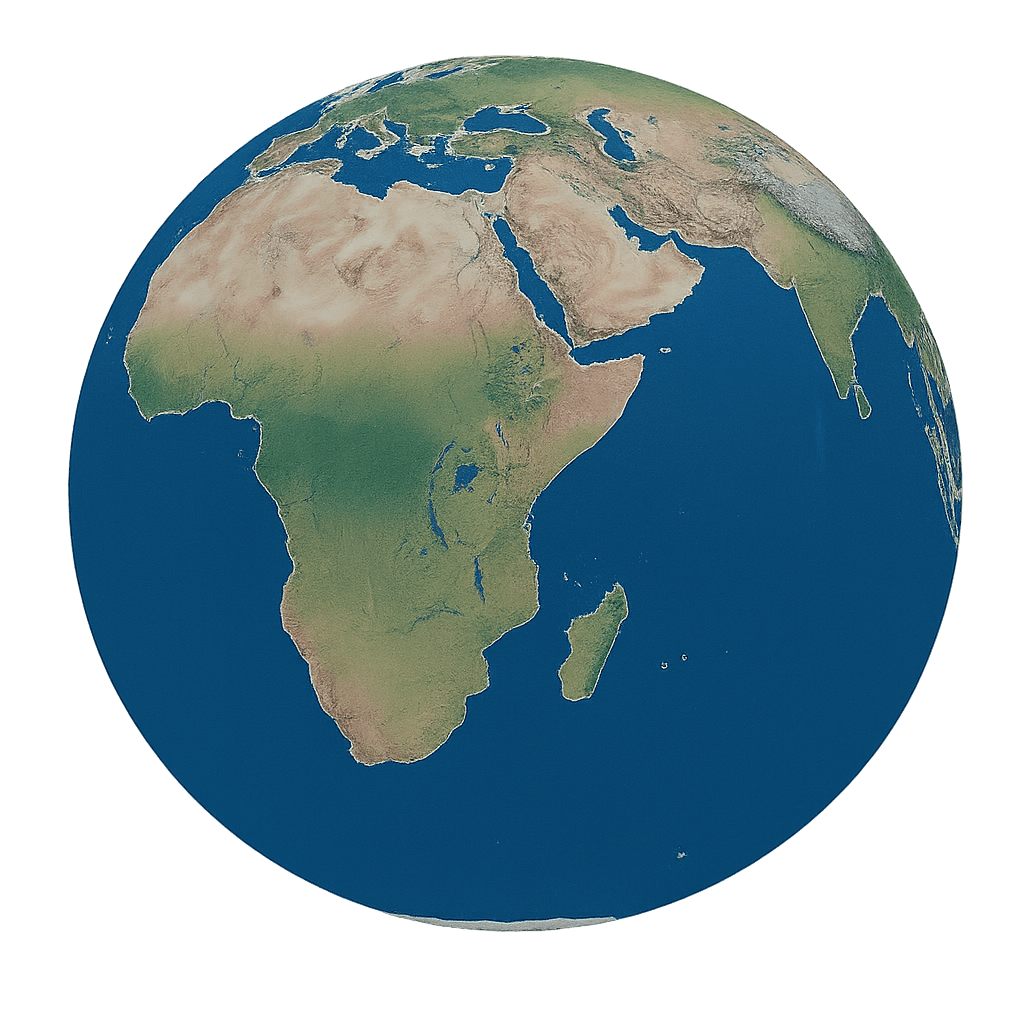
BRICS Summit Tech & Trade: Day 2 in New Delhi puts resilience, innovation, cooperation and sustainability front and center, with leaders discussing AI, fintech, and digital public infrastructure alongside payment links and supply-chain resilience after the New Delhi Declaration 2026. Nuclear & Sanctions Signals: The declaration flags growing nuclear risk and condemns attacks on civilian infrastructure and IAEA-protected nuclear sites, while also calling out unilateral sanctions and their impact, including on Cuba. Cuba Solar Debate: A Cuban activist blasts new rules to regulate rooftop solar panels, arguing the state is micromanaging a key blackout coping tool while ignoring bigger environmental and policy contradictions. Sahara Dust in Cuba: Camagüey warns of Saharan dust lasting 4–5 days, with higher particulates and advice for kids, seniors, and people with respiratory issues. AI Education in the Region: The Mark Cuban Foundation backs free AI bootcamps for high schoolers, including hands-on capstones and support like meals and transport.
AGP Executive Report
Your go-to archive of top headlines, summarized for quick and easy reading.
Note: AI summary from news headlines; neutral sources weighted more to help reduce bias in the result. Feedback is welcome. Please let us know if you have any comments or suggestions about the AGP Executive Report.
BRICS Summit (New Delhi): Leaders adopted the New Delhi Declaration after last-minute language compromises tied to West Asia tensions, pushing for UNSC reform, “maximum restraint,” safer seafaring, and wider Global South participation in future technologies. Global Security & Cuba: BRICS also drew “red lines” on Lebanon, condemned unilateral sanctions that violate international law, and flagged the US tightening blockade against Cuba as harmful to energy and humanitarian conditions. Cuba–US Standoff: Cuba’s trade deputy minister said Havana won’t change its political system to get relief from the US blockade, while pointing to “deep reforms” like more private sector and foreign investment. Cuba Solar Rules: Cuba’s science/tech authorities urged compliance as private rooftop solar installations spark controversy, citing architects and efficiency gains from better insulation. India–UAE Tech & Space: Modi met Abu Dhabi’s crown prince on defence, AI, space, nuclear energy, and a $11.5B aluminium project in Odisha—plus connectivity plans. AI Education (US): The Mark Cuban Foundation ran free high-school AI bootcamps, offering tools, meals, transport, and capstones.
BRICS Summit diplomacy: India’s PM Modi kicked off the 18th BRICS Summit in New Delhi, meeting leaders bilaterally as the bloc pushes resilience, local-currency trade, and digital payments amid wars and supply-chain strain. India–UAE ties: Modi met Abu Dhabi Crown Prince Khaled bin Mohamed bin Zayed Al Nahyan at Hyderabad House, with both sides highlighting trade, energy security, and defence cooperation; the UAE’s BRICS membership is framed as boosting logistics and investment links. India–Vietnam tech and minerals: Modi met Vietnamese PM Le Minh Hung, reaffirming progress in an Enhanced Comprehensive Strategic Partnership spanning fintech and critical minerals. BRICS business push: President Masoud Pezeshkian urged BRICS to build a resilient trade network and expand national-currency use to cut vulnerability to political shocks. Cuba policy and health: A Cuban rice-supply official admitted production exists but distribution and fuel cuts block what people see; meanwhile, a Cuban investigation into “silent privatization” in healthcare was named a finalist for the Roche Health Journalism Award. Cuba energy pressure: US groups urged House Democrats to vote on a war powers measure to end Trump’s oil embargo, citing grid collapses and healthcare strain. Cuba science/medicine angle: A Cuba-based Alzheimer’s treatment (NeuroEPO/NeuralCIM) is discussed as a promising option tied to brain trauma recovery research.
Cuban Pharma Reform: Cuba is evaluating 36 projects to let non-state entities manage community pharmacies under Decree 160, with no plan to lease current state premises; some proposals are already approved to start formalities, and the new operators must meet strict storage, dispensing, and CECMED registration rules. Agriculture Overhaul: Cuba published a new legal framework for agriculture—one law, seven decree-laws, seven decrees, and five resolutions—aimed at food sovereignty by expanding usufruct options and land access for individuals and micro, small, and medium enterprises. Holguín Environment Push: Holguín nominated eight local entities for the National Ozone Award, highlighting safer cooling and replacement of ozone-depleting refrigerants ahead of Sept. 16. BRICS Tech & Finance: At India’s 18th BRICS Summit in New Delhi, leaders including Cuba’s foreign minister Bruno Rodríguez Parrilla arrived as Iran and Russia urged stronger local-currency trade and an NDB-backed investment platform for infrastructure, logistics, and technology. BRICS Payments Agenda: India’s Piyush Goyal urged BRICS members to link payment systems and expand digital trade, pointing to UPI’s scale. Bahamas-Cuba Tension: The Bahamas terminated contracts of 31 Cuban specialist teachers, citing staffing priorities for the new school year.

BRICS in the spotlight: Russian President Vladimir Putin has arrived in New Delhi ahead of the Sept. 12–13 BRICS summit, with Xi Jinping and Iran’s president also set to attend as wars, oil, and global trade are expected to dominate talks. Security build-up: Delhi Police is treating the summit like a fortress, deploying 15,000+ personnel and 200 paramilitary units, tightening routes, and preparing medical coverage for visiting leaders. Cuba energy policy: Cuba’s science and environment authorities are moving to regulate the rapid boom of rooftop solar panels in Havana, aiming to capture benefits without triggering new risks. Cuba education for jobs: UNDP-backed reforms add an entrepreneurship subject in Cuban polytechnic schools, training students to launch local initiatives or small businesses. Cuba agriculture rules: New regulations update Cuba’s agricultural land framework, expanding usufruct access while keeping state land ownership. Cuba healthcare strain: A report from Holguín’s Lenin hospital alleges theft, broken equipment, and supply shortages—highlighting ongoing pressure on medical services. Ebola watch: WHO warns the DRC Ebola response is at risk of collapse without major increases in resources, beds, labs, and staffing.
Cuba’s Energy Strain Hits Families: A Matanzas doctor says her home has been without electricity for nearly three months while she cares for her bedridden mother, after repeated grid failures left whole blocks dark. Cuban Education Under Pressure: In Guáimaro, PCC and local university leaders discussed how students can help keep higher-education running, with plans for better connectivity and a hybrid training model. Private Sector Meets Tech and Trade Limits: A Havana food producer pushing dehydrated fruit toward U.S. retailers says new Cuban rules allowing direct foreign deals still run into stalled Cuba–U.S. negotiations and energy constraints. Mosquito Control Tech in Cuba: Rad Source Technologies announced sterile insect farms using X-ray irradiation to sterilize male Aedes aegypti, including a reported Havana field trial. BRICS, Global Tech and Health Focus: India’s BRICS summit (Sept. 12–13) is framed around resilience, innovation, cooperation, and supply-chain security, with health and technology cooperation on the agenda.
Cuba Tech & Health Policy: Cuba is still waiting for its first private community pharmacy, even as regulators move ahead with 36 pharmaceutical projects (three already being set up, 14 approved to continue) under new rules that allow non-state management for medicine marketing and production. Human Rights & Tech Diplomacy: Freedom House launched its Ambassadors for Freedom program, naming Cuban human rights defender Carolina Barrero among inaugural advocates, spotlighting threats to freedom and pushing policymakers to act. Cuba Energy Reality Check: Multiple reports this week point to Cuba’s ongoing fuel and electricity shortages, with citizens adapting and universities starting the academic year amid blackouts. Regional Tech & Innovation Watch: The 18th BRICS Leaders’ Summit opens in New Delhi Sept. 12–13, with expanded membership including Cuba as a partner country, and a strong emphasis on resilience, innovation, and cooperation. AI Education Push (US-linked): Samsung and the Mark Cuban Foundation plan free AI classes for students, focusing on AI literacy, verification, and responsible use—an approach that could resonate with Cuba’s education and digital skills debates.
Cuba Energy & Daily Life: Cuba’s foreign minister Bruno Rodríguez Parrilla says the U.S. blockade “doesn’t punish a government; it punishes the daily lives of a people,” citing impacts on fuel, water, medicine, healthcare and transport as hardship deepens. Cuba Sanctions & Humanitarian Fallout: A congressional “shadow hearing” on breaking the blockade hears testimony of shortages tied to licensing and sanctions overcompliance, including preventable deaths and worsening water and food access. Cuban Science & Agriculture: In Havana, agronomist Lorenzo Suárez Guerra keeps an orchid greenhouse with 100+ species, including a registered Cuban ornamental hybrid, highlighting lab propagation work amid the crisis. Cuban Education Under Strain: Reports on the new academic year describe universities pushing ahead despite blackouts and the broader crisis. Cuba Tech/Policy: Cuba opens business ownership to emigrants, signaling new rules for private and state sectors. BRICS Tech/Resilience: The BRICS summit in New Delhi (Sep 12–13) spotlights resilience in food, energy, health, disaster reduction and critical supply chains, with leaders including Xi, Putin and Iran’s president expected. Digital Trade Watch: A regional report warns Guyana could fall behind in digital trade frameworks, pointing to gaps in infrastructure and trade commitments. AI Education (US-based, Cuba-relevant): Mark Cuban Foundation’s free AI bootcamps expand to multiple U.S. cities, aiming to train underserved teens in generative AI. Environment Research: A study warns Caribbean queen conch marine protected areas may lose suitable climate conditions within two decades, threatening conservation gains.
Cuba Energy & Food Pressure: The U.S. keeps tightening the screws on Cuba’s fuel and electricity, with Foreign Minister Bruno Rodríguez Parrilla calling the blockade a “collective punishment” that blocks even distributed-generation fuel imports and worsens daily life. Cuba Digital & Education: Cuba’s higher-education year opens amid ongoing crisis conditions, while separate coverage highlights Cuba’s push to modernize digital government with UNDP and China support. Cuba Military-Economic Model: A new FIU panel spotlights GAESA’s scale, citing research that estimates at least $17.9B in assets and major influence across the economy, with questions about how such structures could be dismantled in a transition. Cuba Tech & Health Links: A Belize-focused report notes Foreign Minister Fonseca met a new U.S. ambassador but did not discuss the Cuban medical brigade—an indirect reminder of how Cuba’s science/health cooperation remains tied to geopolitics. AI Skills for Youth: Mark Cuban Foundation launches free AI bootcamps in multiple U.S. cities, offering hands-on generative AI training and capstones for underserved teens. Global Tech Flash: Iran’s IRGC claims it captured a U.S. unmanned underwater vehicle in the Strait of Hormuz, underscoring the tech race in surveillance and autonomy.
GAESA in focus: FIU will host a Sept. 9 panel on GAESA, Cuba’s military-linked economic conglomerate, citing research that estimates $17.9B in assets and influence over roughly 70% of the economy, with operations largely beyond public oversight. Blockade impacts daily life: Cuba’s foreign minister says the U.S. blockade is “collective punishment,” pointing to fuel limits that worsen blackouts and everyday hardship. Energy strain in Cuba: Reports highlight deepening fuel and electricity shortages as citizens adapt to longer outages. Orchid science under pressure: A Cuban agricultural engineer breeds new orchid hybrids in a greenhouse despite market limits, showing how applied botany keeps moving even in crisis. Education amid blackouts: Coverage notes universities starting the academic year while still facing power cuts and shortages. U.S. sanctions and pressure: Multiple items this week tie tighter U.S. measures to worsening Cuba’s energy and economic constraints. Tech and skills: Mark Cuban Foundation AI bootcamps expand across U.S. cities, underscoring the push for hands-on AI training for teens.
Cuba Energy & Everyday Tech: As fuel and electricity shortages deepen, Cubans are turning to practical fixes—homemade phone-signal antennas, coal for pasteurizing milk, solar-powered inverters for homes, and electric tricycles—while tourism arrivals fall sharply (Cuba Faces Deepening Fuel and Electricity Shortages). Guantánamo Solar Push: The El Algarrobo Photovoltaic Park (21.875 MWp) was inaugurated and synced to the grid, supplying daytime power to extend service hours, with water and grid upgrades also discussed amid drought and transformer arrivals. Justice & Data Limits: A Cuban legal expert says official femicide figures reflect delays in judicial processing, not real-time trends, as cases can take years amid staffing shortages and power cuts. Cuba Governance & Security: Cuba’s MININT leadership discussed how it would respond to a potential kidnapping or attack on top officials, referencing the Maduro capture scenario. Digital/Policy Context: Cuba is also moving on digital government with UNDP and China support, while new rules for distributing profits in state enterprises are reported. BRICS Tech & Trade: India is set to host the expanded BRICS Leaders’ Summit (Sept 12–13) with a focus on trade, digital technology, finance, and energy security. Mobile Broadband Cost: A UK study ranks the country 46th globally for average mobile data price per GB, highlighting how network and plan differences complicate comparisons.
Solar Power in Guantánamo: El Algarrobo Photovoltaic Park (21.875 MWp) was inaugurated and synchronized to the grid, supplying daytime electricity to Guantánamo Province after 2,000 MWh delivered since start-up. Water & Grid Resilience: Guantánamo officials pushed for alternative water sources beyond tank trucks, inspected wells, and coordinated transformer arrivals plus photovoltaic installations as drought and outages bite. Energy Hardship in Santiago de Cuba: Residents of 18-story buildings in Garzón reported about 40 hours without electricity, with knock-on effects for elevators and water pressure. Cuba’s Solar Workarounds: 14ymedio describes how blackouts are driving more rooftop and off-grid solar use, with storage still a major bottleneck. BRICS Tech & Trade Focus: India’s 18th BRICS summit (Sept. 12–13) highlights resilience, innovation, technology, energy, healthcare, and agriculture, with membership expansion framed as consensus-based rather than formal applications. Migration Deal Watch: A U.S.-Guyana framework sent an initial group of six deportees (four from Cuba, two from Afghanistan) under a vetted, temporary relocation mechanism. Public Safety Case: Bayamo’s PNR released an alleged attacker of elderly parents within 24 hours, citing insufficient evidence, sparking family backlash. Cuba Governance & Transparency: A Cuban writer demands public transparency about the “millionaire compatriots of socialism,” arguing names and sources of wealth have disappeared from public view.
Energy & Survival Tech in Cuba: 14ymedio reports Cubans are leaning harder on solar panels, solar-powered generators, and improvised power solutions as the national grid (SEN) keeps failing—sunlight is becoming the practical “lifeline” while storage and spare parts remain bottlenecks. Blackout Impact at Scale: In Santiago de Cuba, residents of an 18-story apartment block in Garzón say they endured about 40 hours without electricity; elevators and upper-floor water depend on power, forcing people to climb and carry water. Cuba’s Sanctions Pressure: CGTN highlights a shift in U.S. policy toward economic blockade and containment, targeting energy, minerals, and finance to squeeze revenue—while Cuba’s FM Rodriguez reiterates the hardship. Local Governance & Accountability: A Cuban writer, Leonardo Depestre Catony, demands transparency about the “millionaire compatriots of socialism,” asking for names and sources of wealth. Civic Strategy Debate: Historian Ivette García González argues protests over food, electricity, and water must be translated into an organized struggle to avoid the cycle of crisis and withdrawal. Tech & Space (Global, Cuba-relevant): China’s commercial space firms outline plans for expanding lunar activity at the Tiandu conference, including rockets and lunar missions.
Cuba Energy & Power Reliability: A Matanzas journalist says the Antonio Guiteras thermoelectric plant has stayed connected to Cuba’s grid for 30 straight days, generating about 190 MW after a late-August restart—though critics note frequent 2026 outages and long gaps in maintenance. Cuba Grid Storage Delays: In Holguín, officials tout a 50 MW battery storage station at Cueto, but locals immediately question timelines and whether the project will actually help a large regional power deficit. Cuba Under Sanctions, Tech Improvisation: As fuel and electricity shortages bite, Cubans keep adapting—solar setups, rechargeable fans, and solar-powered Chinese tricycles show how everyday tech is becoming survival infrastructure. Cuba Youth Exodus (Digital Culture): A viral sketch captures the “leave or die” reality many young Cubans feel, pointing to heavy net migration and a growing sense that the future is elsewhere. U.S.-Cuba Pressure: A new wave of U.S. sanctions is framed as economic containment meant to force fractures and squeeze revenue sources, with Cuba’s foreign minister warning of escalating harm. Migration & Deportations: Guyana received six deportees from the U.S., including four from Cuba, under a one-year third-country arrangement managed by IOM. Identity & Trust Tech: A separate global piece argues digital identity is becoming a new kind of “trust infrastructure,” shaping how remote services work. AI/Space Finance Watch: Nvidia’s $99bn equity portfolio and China’s commercial lunar plans both underline how fast capital is moving into frontier tech.
Energy & Power Reliability in Cuba: Cuba’s Antonio Guiteras thermoelectric plant in Matanzas hit 30 straight days connected to the national grid, generating about 190 MW after a long, outage-heavy restart—while Cubans still question how long it can last given maintenance gaps. Grid Expansion & Storage: In Holguín, officials toured a 50 MW Battery Energy Storage Station at Cueto, but online users pushed for hard timelines and completion percentages. Fuel Shortage Adaptation: As the U.S. oil blockade tightens, Cubans are leaning on solar, charcoal, and improvised tech—like a student’s tips for preserving food, extending phone power, and even building antennas to catch weak mobile internet. Workplace Safety: Cuba’s electric utility reported another lineman death during maintenance in Havana, renewing concerns about harsh conditions and staffing from other provinces. Digital Identity & Trust: A broader identity-infrastructure debate highlights how “trusted digital identity” is becoming a core resource for remote services, with biometrics and partnerships moving fast. Education Data for the Region: UNESCO is preparing ERCE 2025 results, with Cuba among participating countries, to track learning in reading, math, and science. Youth Migration Pressure: A viral sketch captures the “emigrate or die” reality for Cuban youth, tied to data showing large net migration losses and a heavy share of emigrants under 35. U.S.-Cuba Sanctions: Cuba’s foreign minister condemned new U.S. sanctions targeting Fidel Castro’s grandson and Banco Exterior de Cuba, calling them “cruel and ruthless aggression.” Tech & Robotics Watch: Humanoid robots in Beijing reportedly beat several men’s athletics records in robot-specific categories, underscoring rapid progress in humanoid performance.
Cuba Power Grid Reality Check: A Cuban official journalist celebrated the Antonio Guiteras thermoelectric plant staying connected to the national grid for 30 straight days, reporting steady output around 190 MW—while critics point to frequent 2026 outages and long-delayed maintenance. Energy Storage Progress (and Skepticism): In Holguín, officials touted a 50 MW battery energy storage station at Cueto as “the second of its kind,” but online users demanded clear completion timelines and questioned whether it can matter amid a large power deficit. Electricity Workers’ Safety: Cuba’s electric utility reported another lineman death during maintenance in Havana, renewing attention on hazardous working conditions. Cuba’s Digital Identity Push: Cuba is moving ahead with digital government support via UNDP and China, while broader coverage highlights how identity and biometrics are becoming core “trust infrastructure.” Education & Learning Data: UNESCO prepares to release ERCE 2025 results for Latin America and the Caribbean, including Cuba, with reading/math and science comparisons to guide policy. U.S. Sanctions Tighten: Cuba’s foreign minister condemned new U.S. sanctions targeting Fidel Castro’s grandson, Banco Exterior, and energy-related firms, calling it “cruel and ruthless aggression.” Tech/Robotics Showcase: Humanoid robots in Beijing reportedly beat several men’s athletics records in robot-specific categories at the 2026 World Humanoid Robot Games. Space Investing Watch: A guide to investing in private space companies in 2026 spotlights how access rules differ from SpaceX’s public listing path.
U.S. Sanctions Escalate on Cuba: Cuban FM Bruno Rodríguez condemned new U.S. measures targeting Fidel Ernesto Castro Calis, Raúl Castro’s grandson, plus Banco Exterior de Cuba and energy-linked firms, calling it “cruel and ruthless aggression” and warning of “collective punishment.” Grid Security & Energy Tech: A new U.S. executive order and related reporting focus on restrictions for foreign-sourced bulk-power equipment, adding uncertainty for energy infrastructure supply chains. Workplace Safety in Havana: Unión Eléctrica reported the death of a 32-year-old lineman during maintenance in Havana, renewing calls for safer conditions and better resourcing. Education Outcomes in the Region: UNESCO is preparing ERCE 2025 results, with Cuba among participating countries, to compare reading, math, and science learning across Latin America and the Caribbean. Cuba’s Business Rules Update: Prime Minister Manuel Marrero backed new decree-laws aimed at expanding state and private business autonomy, simplifying procedures, and strengthening worker participation. Roadside Fuel Testing: MININT confirmed checkpoint exams to detect dielectric oil mixed into fuel, with dozens of vehicles inspected and seizures reported.
Cuba’s economy & policy: Cuba’s Official Gazette loosened rules so emigrants and Cubans abroad can become partners in micro, small and medium-sized firms, a major shift as the island battles a deep crisis and sanctions. Education under strain: President Díaz-Canel defended the 2026–2027 university school year despite blackouts, transport problems, and shortages, saying hybrid formats are being used to keep classes running. Health workforce push: Cuba’s Ministry of Health and Wellness held a large scholarship ceremony, backed by a $30M training package, expanding medical scholarships into priority areas like nursing administration and psychiatry. Energy security & enforcement: MININT confirmed scientific tests at highway checkpoints to detect dielectric oil mixed into fuel; 21 of 105 vehicles tested positive and 18 were seized in one province. U.S. sanctions on Cuba: Rubio announced fresh sanctions on five Cuban entities and one individual tied to finance and natural resources, including Banco Exterior de Cuba and firms linked to nickel and mining support.
U.S. Sanctions Tighten on Cuba’s Energy and Finance: OFAC added Fidel Ernesto Castro Calis and multiple state-linked firms, including the Foreign Bank of Cuba and companies tied to nickel, mining, and power-grid maintenance—aimed at squeezing Cuba’s ability to keep critical equipment running. Academic Year Under Blackouts: Díaz-Canel said starting the 2026–2027 higher-education term is “the most revolutionary thing,” as universities shift to hybrid and semi-presential formats to cope with outages and shortages. Digital Identity Ecosystem Moves Forward: Fragomen and SICPA’s digital identity joint venture is expanding, with Idemia Public Security joining to provide biometric verification and authentication capabilities. Biotech/Health Support in Focus: WFP’s Nutrivida project is rolling out in Holguín and Mayabeque to improve maternal and child nutrition, including anemia screening and local food-system links. Cuba’s Foreign Policy Pushback: Foreign Minister Bruno Rodríguez reiterated that the blockade’s “maximum pressure” has intensified since 2019, citing shortages and barriers to importing food, medicine, and medical equipment. Biometrics Performance Update: Mitek reported strong results in LivDet-Face liveness detection testing, highlighting demand for more reliable identity checks.
Cuba Education Under Strain: Cuba’s new school year opens amid severe shortages of teachers, uniforms, materials, food, water, and electricity, with families weighing whether to keep children home. Energy & Infrastructure Risk: A seismological station on the Isle of Youth is out of service after thieves stole everything from solar panels and batteries to core earthquake-warning equipment, raising concerns of sabotage. Sanctions & Energy Crisis: Cuba’s foreign minister, Bruno Rodríguez Parrilla, told the Cuba Analysis Podcast that U.S. sanctions intensify shortages, including blocked shipments of food and medical supplies, and worsen energy conditions. Nutrition Support in Holguín: WFP’s Nutrivida project expands maternal and child nutrition efforts in Holguín and Mayabeque, training local teams to track anemia and improve access to diverse foods. Digital Identity & Biometrics Watch: A World Bank report flags 2.8B people still excluded from government-recognized digital ID, while new guidance and enforcement actions in Europe show how biometric and age-verification rules are reshaping identity apps. AI Skills for Cubans Abroad: Mark Cuban Foundation AI bootcamps expand to adult learners at Dallas College, reflecting growing demand for practical AI literacy.
Sign up for:
Cuba Technology Weekly
The daily local news briefing you can trust. Every day. Subscribe now.
Check Your Email!
We sent a one-time activation link to: .
Confirm it's you by clicking the email link.
If the email is not in your inbox, check spam or try again.
Welcome back!
is already signed up. Check your inbox for updates.